

Professor Melinda Duer Leads Innovative New Research on 'Freezing' Brain Cancer Cells
Robinson Fellow and former Deputy Warden, Professor Melinda Duer (pictured above at Robinson), is a leading figure in biological and biomedical chemistry and heads the Duer Research Group at the Yusuf Hamied Department of Chemistry at the University of Cambridge, where she was the first woman to be appointed a lectureship.
Melinda’s passion for science was inspired by her chemistry teacher, Mr Trevithick, from her local state comprehensive school in Cornwall. The first in her family to go to university, she went on to study Natural Sciences at Cambridge, specialising in Chemistry. Melinda’s research career at Cambridge now spans almost 40 years, and she continues to challenge conventions, utilising interdisciplinary chemistry to find ground-breaking solutions for real-world medical issues.
A pioneer in her field, Melinda’s work focuses on uncovering the molecular structure of tissues and how these change with ageing and disease. Her research aims to understand conditions ranging from osteoporosis to cancer, to inform life-changing new therapeutic approaches.
Melinda explains the work of the Duer Research Group: “We essentially work out the molecular structure of tissues like our skin, bones and tendons. The reason we do that is that with degenerative diseases, things go wrong, often drastically, and that causes the cells in those tissues to essentially misbehave. To do something about that we first need to know what’s going wrong with the tissue, how the tissue structure changes, and then we can start to piece together why the cells react the way they do, and we can start to counteract that.
“My research group is very diverse in every respect and includes people from all around the world. We make a point to come together as a team to celebrate each success, however small, as these can accumulate to effect real change.”
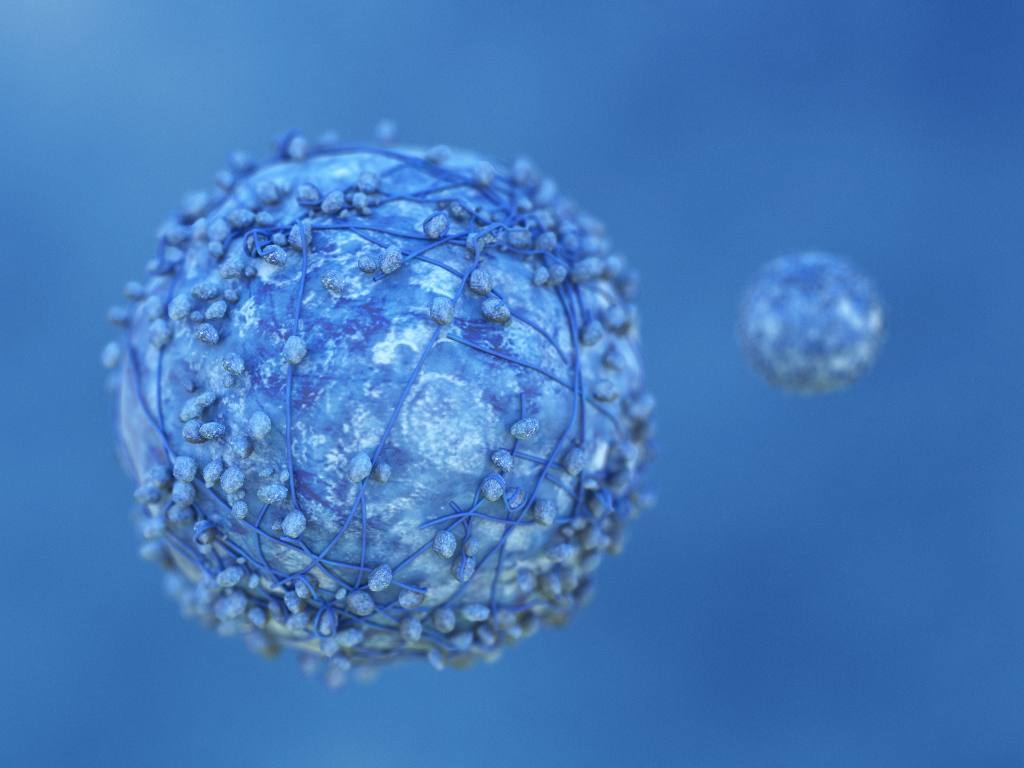 The latest work from Melinda and her research team focuses on glioblastoma, the most common and most aggressive form of brain cancer which has a five-year survival rate of just 5%. To combat this cancer, Melinda decided they should take a radically different approach: rather than attacking tumour cells directly, they sought to change the environment around them to make it less fertile ground for tumour cells.
Melinda explains: “We didn’t have to kill the cells — we simply changed their environment, to one that instructs them to stay still, and they gave up trying to escape and invade neighbouring tissue.”
Central to this work is hyaluronic acid, a naturally occurring molecule that forms part of the brain’s structural support system. Normally flexible, it instructs cancer cells to move and spread. But Melinda and her colleagues discovered that by “freezing” this molecule—locking it into a rigid form—they could effectively stop tumour cells in their tracks.
This research marks a striking departure from conventional cancer therapies, which typically aim to destroy malignant cells through drugs, radiation, or surgery. Instead, the focus is on the tumour microenvironment—the surrounding “scaffolding” that cancer cells rely on.
Melinda says: “Nobody has ever tried to change cancer outcomes by changing the matrix around the tumour. This is the first example where a matrix-based therapy could be used to reprogramme cancer cells.”
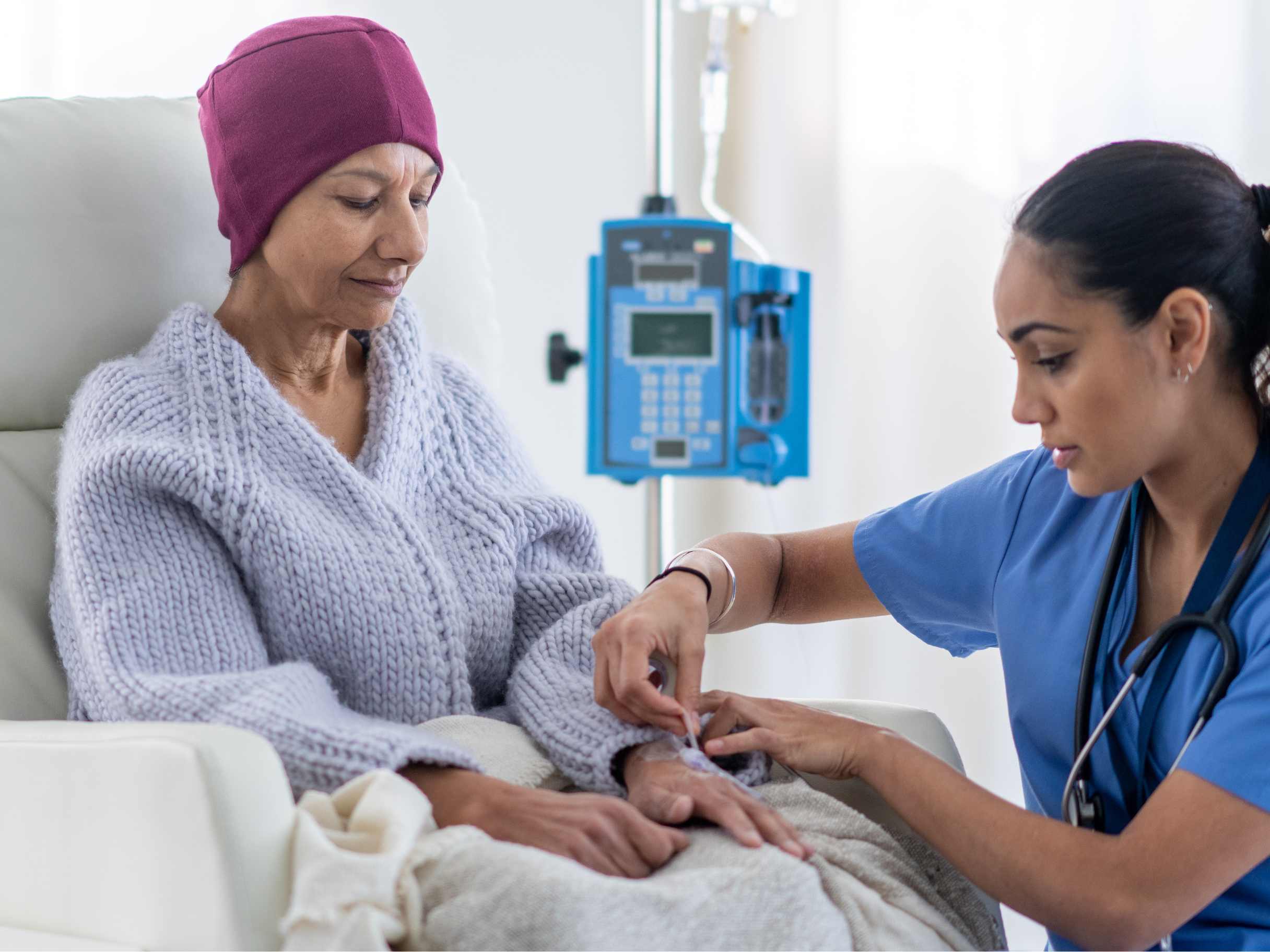 The implications of this new research are profound. It could significantly reduce the need for treatments such as chemotherapy and radiotherapy (and their accompanying side effects) and help overcome one of the greatest challenges in the battle against cancer: the ability of tumours to resist and adapt to drugs.
Melinda’s work draws on decades of expertise in molecular structure and nuclear magnetic resonance (NMR) spectroscopy, a technique that allows scientists to observe how molecules behave in complex biological systems.
Crucially, this effect was achieved without destroying the cells themselves. Instead, they were “reprogrammed” - a concept that opens new avenues not only for brain cancer, but potentially for other solid tumours. “Cancer cells behave the way they do in part because of their environment,” Melinda explains. “If you change their environment, you can change the cells.”
Even after surgery, glioblastoma tumours often return within months. A therapy that could slow or halt the spread of cancer cells would represent a major advance. “This could be a real opportunity to slow glioblastoma progression,” Melinda says.
“The most exciting thing,” she reflects, “is that we’re seeing a completely new way of thinking about cancer. It’s not always about destroying cells—it’s about understanding them well enough to change their behaviour.”