
Dr Bristi Basu Leads Pioneering New Treatment for Pancreatic Cancer Patients
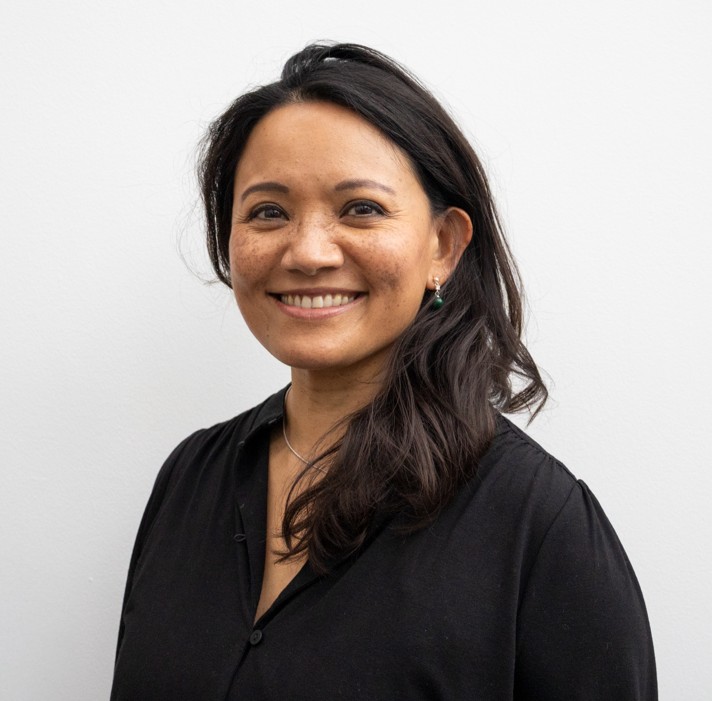 Robinson Fellow and Director of Studies for Part II Medicine, Dr Bristi Basu, is at the forefront of experimental cancer therapeutic approaches. As part of her role as an academic medical oncologist at Cambridge University Hospitals (CUH) NHS Foundation Trust, Bristi leads the Cambridge Experimental Cancer Medicine Centre and the Cambridge Cancer Trials Centre, and she co-leads the Cancer Research UK (CRUK) Cambridge Pancreatic Cancer Programme with Dr Giulia Biffi. She also chairs the CRUK Expert Review Panel, serves as Vice-Chair of Cancer CRUK’s Clinical Research Committee, and is Co-Chair of the UK National Pancreatic Research Group, leading its Novel Therapeutics workstream.
Bristi’s research focuses on early-phase clinical trials – studies that test promising new therapies and play a vital role in translating laboratory discoveries into treatments for patients. Her areas of focus are cancers, or tumours, arising from the liver, pancreas and biliary tract. A defining feature of Bristi’s career is her commitment to early-phase trials. These studies are often complex, intensive and incremental, as they are the route through which new treatments first reach patients.
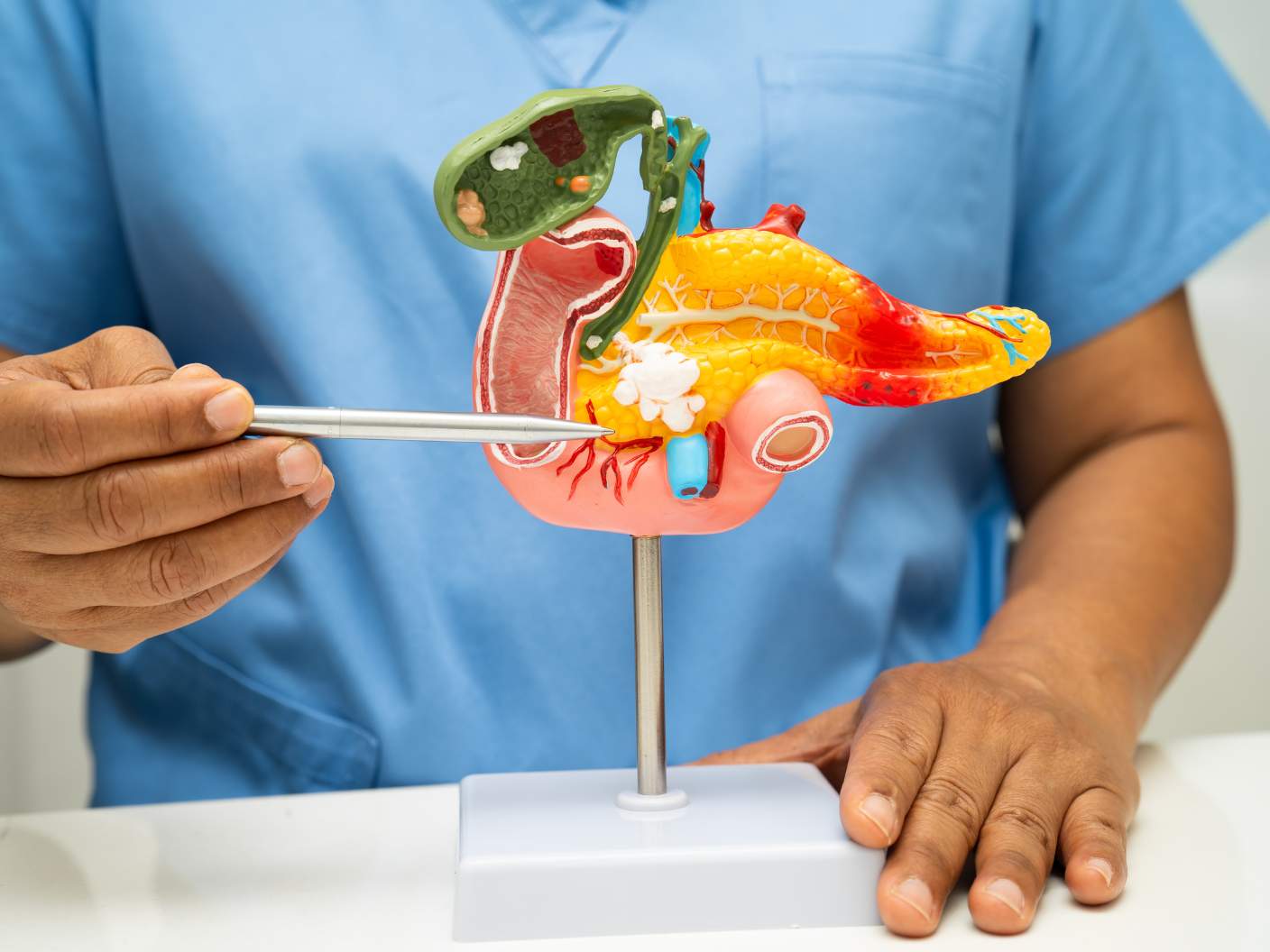
One of the investigator-initiated trials that Bristi is currently leading as Chief Investigator is CRISTAL-APC, which translates research undertaken by Dr Tony Wu and Dr Michael Gill at the Cancer Research UK Cambridge Institute. Pancreatic cancer remains one of the most challenging cancers to treat: often symptomless in its early stages, typically diagnosed late, and resistant to many therapies. In the UK, around 10,000 people are diagnosed each year, many only after the disease has spread.
CRISTAL-APC aims to make pancreatic cancer treatment more effective, combining standard chemotherapy with a novel drug, VP-002, developed by Cycle Pharmaceuticals (meet the Founder of the company p18-19) which is designed not to attack the tumour directly but to affect cell signalling within its surrounding environment. The trial, funded by Cycle Pharmaceuticals with a large translational grant from CRUK, is co-ordinated via the Cambridge Cancer Trials Centre, sponsored jointly by CUH and the University of Cambridge, and is supported by the NIHR Cambridge Clinical Research Facility.
Pancreatic tumours are notoriously difficult to treat because they create a dense, protective microenvironment with intricate signalling from multiple cells and chemicals called chemokines, that protects them from drugs and the immune system. VP-002 targets the CCR1 receptor, a protein involved in this process. By inhibiting it, the drug has been shown in the laboratory to may make tumours more vulnerable to chemotherapy — thereby potentially allowing lower doses to be administered to patients with a reduction in associated side effects.
If successful, the implications are significant. As Bristi explains: “We have few options available to help people diagnosed with late-stage pancreatic cancer. With CRISTAL-APC, we’ve worked with patient representatives to design a trial that has the potential to give them more time, but we hope also a better quality of life.”
Patient experience has been central to the design of the trial. In diseases like pancreatic cancer, where treatment effects can be as difficult as the illness itself, quality of life is a fundamental consideration.
The trial plans to recruit around 120 patients across 15 hospitals in the UK, testing different doses before comparing the regimen with standard chemotherapy. If successful, it could lead to larger studies and contribute to a new standard of care, or greater understanding of factors that predict for benefit from this approach.
Alongside her national and international leadership in cancer research, Bristi is committed to her role at Robinson College. As a Fellow and Director of Studies, she supports and mentors medical students at a crucial stage in their development.
She says: “My role at Robinson is incredibly rewarding. It keeps me connected to the next generation of doctors — their curiosity, compassion and fresh perspectives are inspiring. It’s a privilege to support them as they gain the skills and knowledge required for their careers, and to be part of a college community that values both academic excellence and genuine human connection.”
Bristi’s work is guided by a clear purpose: to make a difference where it matters most — improving patients’ lives and supporting the next generation of clinicians and scientists.
Scuba diving is one of Bristi’s favourite pastimes and she recently enjoyed a diving trip to Raja Ampat, Indonesia. She says, “It's important that medics learn how to decompress and switch off from work.” Bristi also practices ashtanga yoga and has a TikTok account for her beloved lhasa apso dog, Tashi, who currently has a following of 2.5K @tiktok.tashi2.