
Broadening the Medical Student Experience at Robinson
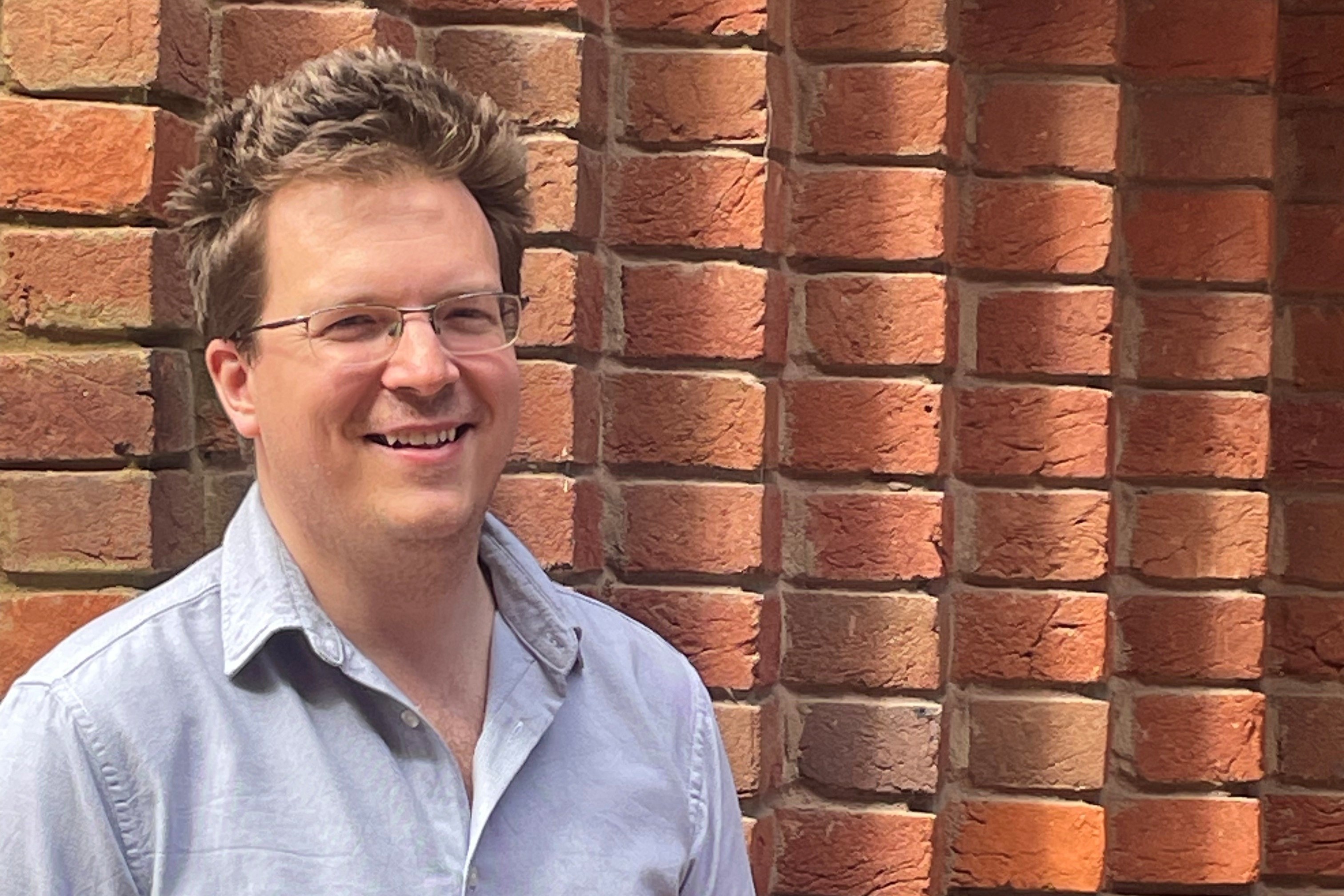
Dr Andrej Ćorović (Natural Sciences and Medicine, 2004), Fellow, and Director of Studies in Medicine
The Cambridge Medicine course has a reputation for being rigorously scientific in the pre-clinical years but we are just as committed to producing well-rounded, clinically sound and empathetic doctors. The fact that all students remain in Cambridge for the full six-year duration of the Medicine course also offers an opportunity for “longitudinal” development and an ongoing role for College involvement into the clinical years.
At Robinson, I am keen for students to consider their medical career as starting from the moment they commence the course and to make the most of opportunities to broaden their experience and develop their CVs. To that end, we have recently launched the Dr Alex Yui Hui Studentships in Medicine, funded by a very generous donation from one of our Medicine alumni, which offers grants of up to £2,000 per year for pre-clinical students (in the first three years of their course) to undertake a research project or clinical internship during their summer vacation. The inaugural studentships will take place this summer.
Clinical Electives are also undertaken by all students in the summer of their fifth year and offer an opportunity to experience clinical practice and/or gain research experience over a seven-week period. Most students use this opportunity to experience medical practice in economically-developing regions of the world, thus giving a broader perspective to their “first-world” experience of Medicine here in the UK. Recent destinations have included Sri Lanka, Thailand, Uganda and Vietnam, as well as “developed” countries such as Singapore and the USA. Consistent feedback from students is that the Electives are invaluable in broadening their perspectives on medical practice and patient care.
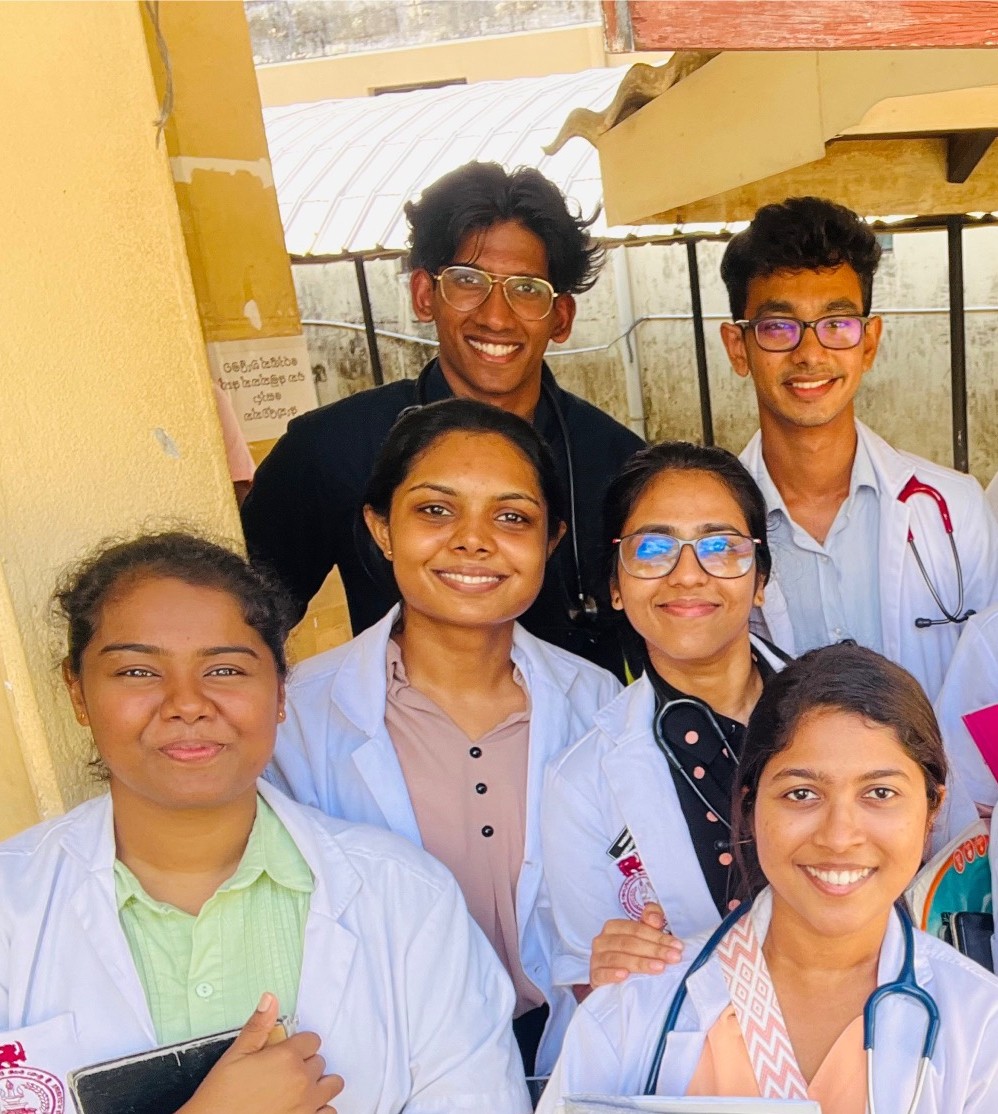 Chamin Halahakoon, final year medic, pictured left (top row, left) with the team at Bach Mai Hospital, Vietnam, said: “By observing how healthcare is delivered in diverse settings, I aim to be more adaptable and empathetic to cultural dimensions in patient care and to approach healthcare from a global perspective.”
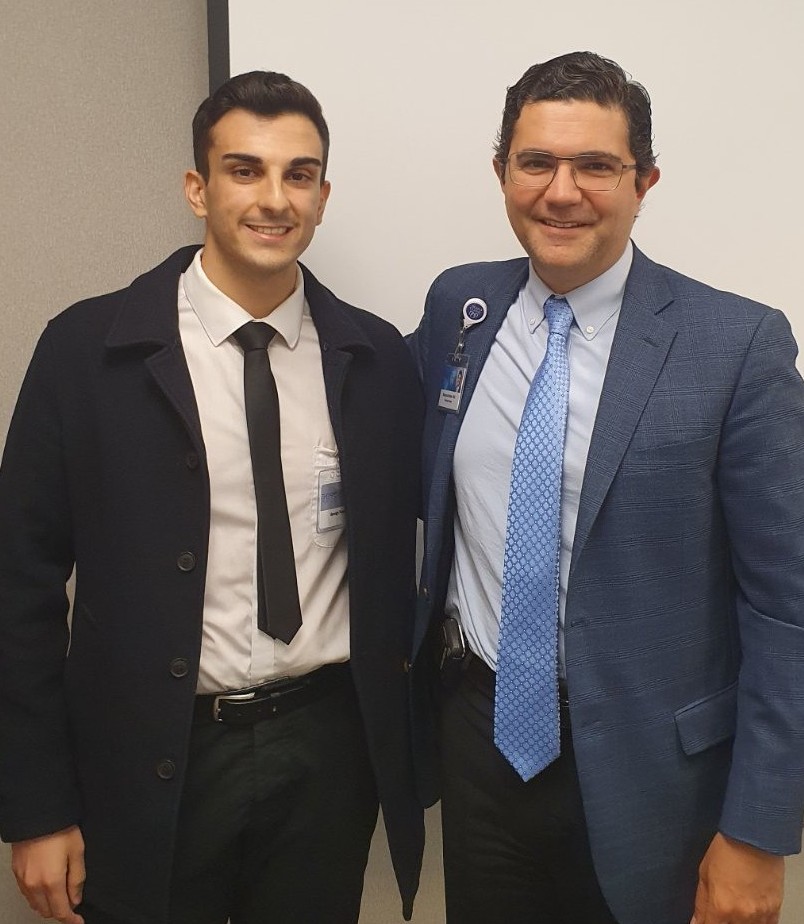 George Toumbas, final year medic, pictured right with a colleague at the Mayo Clinic, Rochester, Minnesota, USA, said: “Seeing senior surgeons discuss difficult cases with honesty and humility had a lasting impact on me, and it reinforced the importance of a culture that prioritises accountability and shared learning. I also benefited greatly from the mentorship I received, including advice on surgical judgement, career development, and how to approach training
in a sustainable way.”
Electives are a mandatory component of the Cambridge Medicine course and yet can represent a significant financial undertaking. At Robinson, we are keen to ensure that our students are not financially constrained in their choice of Elective placements. To that end, and thanks to very generous benefactions we are, at present, able to offer each of our fifth-year medics a £1,400 grant towards the cost of their medical Elective via the Chaffield Shaw Medical Support Fund and the Fox-Nasim Elective Studentship.
Since students complete all six years here at Cambridge, the programme can better integrate pre-clinical and clinical content throughout the curriculum at a university-wide level. At Robinson, we offer our pre-clinical students early clinical exposure in parallel to their Preparing for Patients course with a mixture of in-house and multi-College initiatives. We were one of the first Colleges to sign up to the Integrated Biomedical Problem Solving (IBiPS) course, a teaching programme for first and second year students that is designed and delivered by local GPs, wherein students have an opportunity to clinically contextualise each term’s basic medical science content. Medicine alumna and current Senior Member, Dr Naomi Deakin (Clinical Neurosciences, 2008), has also led on delivering pre-clinical/clinical “linker” sessions, where pre-clinical students get clinical teaching and experience in simulated real life clinical scenarios with input from our own clinical students, thus not only contextualising their pre-clinical studies but also fostering a sense of community spirit and cooperation across the year-groups in College.
I am immensely grateful to all of our supervisors who directly contribute to the teaching of our medical students, as well as to all the donors whose generous benefactions have enabled us to support our students in broadening their medical student experience. As we look forward to the College’s 50th Anniversary next year, it is my sincere aim that we continue to establish Robinson as a top College choice for students wishing to study Medicine at Cambridge.