
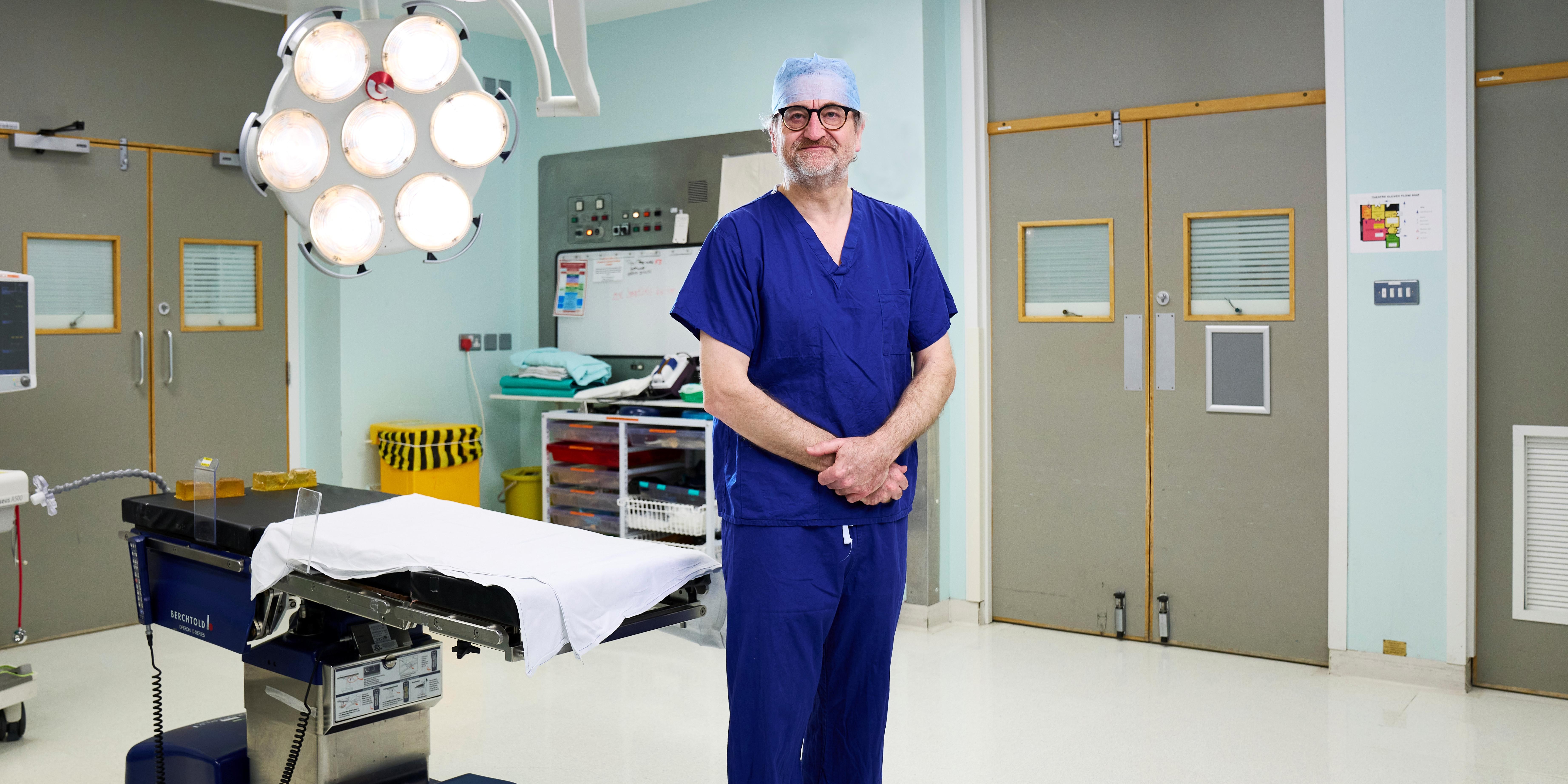
Rethinking Brain Injury: From the Operating Theatre to Global Innovation
Professor Peter Hutchinson is Fellow and Director of Studies in Clinical Medicine at Robinson and Director of the NIHR HealthTech Research Centre (HRC) in Brain Injury
Traumatic Brain Injury (TBI) is frequently described as a "silent epidemic." The scale of the challenge is immense: in 2022-2023 alone, almost 680,000 people in England attended Emergency Departments with concerns regarding TBI. While many of these cases involve mild symptoms, a significant minority face persistent, life-altering disabilities.
TBI is also a major public health issue in the world of sport. My work as Chief As a neurosurgeon and researcher, my career has been defined by a dual mission: to save lives in the operating theatre and to build the national and international infrastructure to ensure that pioneering medical research reaches every patient who needs it.
My journey in research delivery has always been grounded in clinical outcomes. Perhaps the most significant milestone in my clinical research was leading the RESCUE trials. These studies were designed to address a fundamental question in neurosurgery: does a decompressive craniectomy—the surgical removal of a section of the skull to manage brain swelling—actually improve long-term survival and quality of life? The findings were definitive. We demonstrated that this procedure significantly reduces mortality, with 66% of survivors becoming independent at home or within their community.
The results of this study have had a fundamental impact on the way medicine is practised. Our research informed new protocols that have been adopted in international clinical guidelines by organisations such as NICE in the UK and the Brain Trauma Foundation in the United States. It is a powerful reminder that high-quality clinical trials are the bedrock of innovative medical procedures.
Medical Officer for the Formula 1 British Grand Prix and as a member of the Independent Concussion Panel for England Rugby allows me to integrate NIHR research into safety protocols. As such, we supported the publication of the first UK-wide Concussion Guidelines for Grassroots Sport in 2023, providing clear, consistent procedures for players and coaches to identify and manage head injuries, ensuring a safe "return to play". By mapping the research landscape, we are also addressing emerging concerns, such as the long-term impact of "heading the ball" in football.
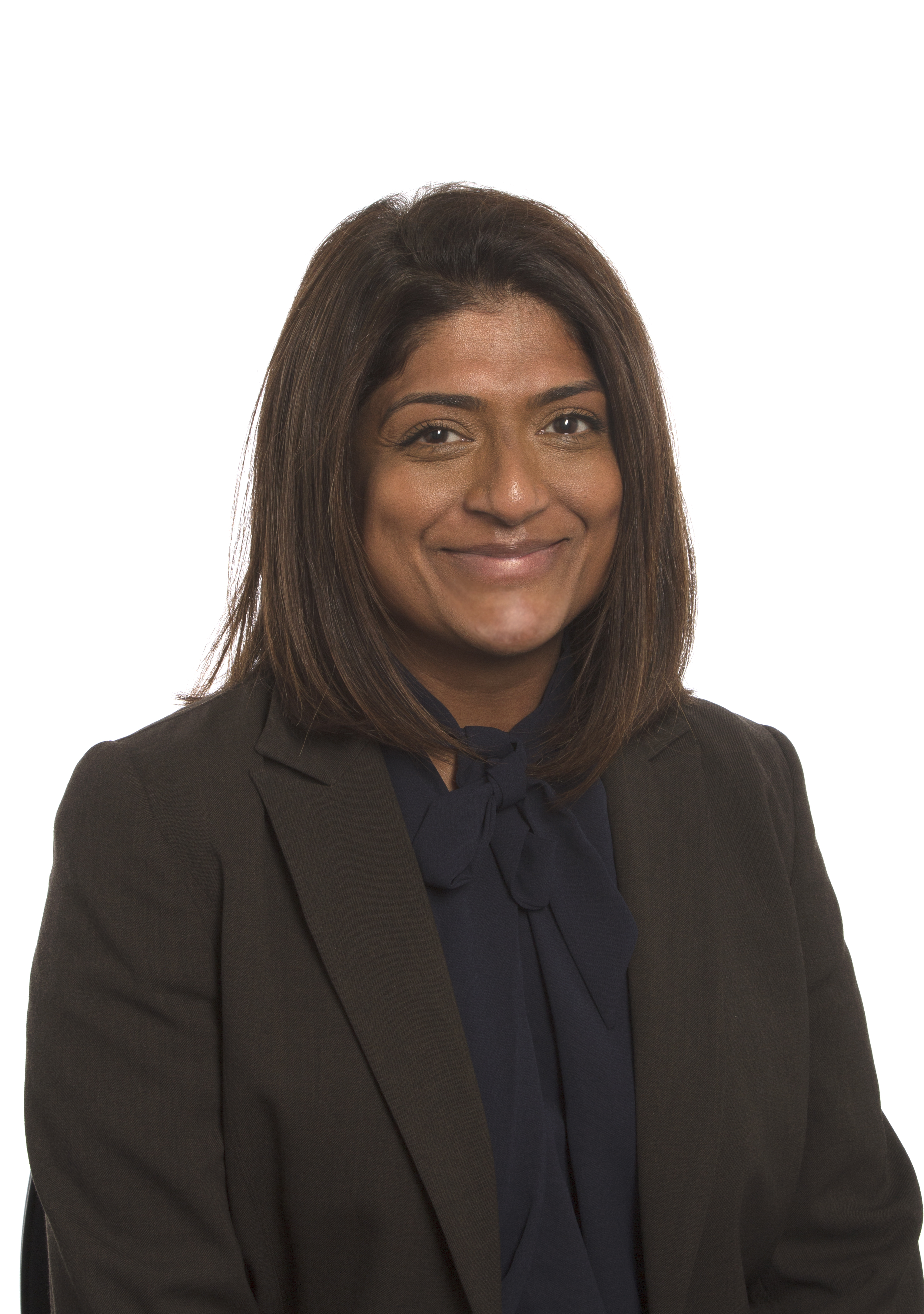
Mita Brahmbhatt (pictured left) is Centre Manager at NIHR and works alongside Hutch to help secure funding for TBI. Mita said: “Many promising ideas for brain injury management fail because the pathway for NHS uptake is often underfunded. To tackle this, the team at NIHR HRC in Brain Injury established the i4i FAST (Funding At the Speed of Translation) Programme with the Department of Health and Social Care and the Ministry of Defence resulting in £3.2 million investment across the UK to advance new technologies. To date, we have leveraged £14 million for new tools for brain monitoring and treatment to move from the drawing board to the bedside.”
Innovation must be inclusive to be truly effective. Locally, we have developed a research inclusion strategy to reach under-served communities, including rural populations and those in deprived areas. An area of focus is the 24% increase in TBI incidence among women since 2005, often linked to domestic partner violence which has historically been under-represented in research.
Our vision also extends globally, as Director of the NIHR Global Health Research Group on Acquired Brain and Spine Injury, I lead a programme across 59 countries. We have built a global registry to track outcomes and have trained over 30 specialists in low-and-middle-income countries. In Zambia, for example, our collaboration helped increase the number of neurosurgeons from just two to eight, fundamentally changing the landscape of care in that region.
None of these achievements would be possible without a dedicated multidisciplinary community. At Robinson. I am privileged to be part of an environment that fosters cross-sector thinking. Whether we are mentoring the next generation of clinical academics or hosting innovative public engagement events—such as our "no heading" charity football match—the goal is to make research a conversation that involves everyone.
The academic department I lead is now the largest of its kind in the UK, and I am immensely proud that Cambridge is ranked first in the country for neurosurgical research. By continuing to bridge the gap between pioneering science and practical medical procedures, we can ensure that "silent" injuries no longer lead to silent suffering.