
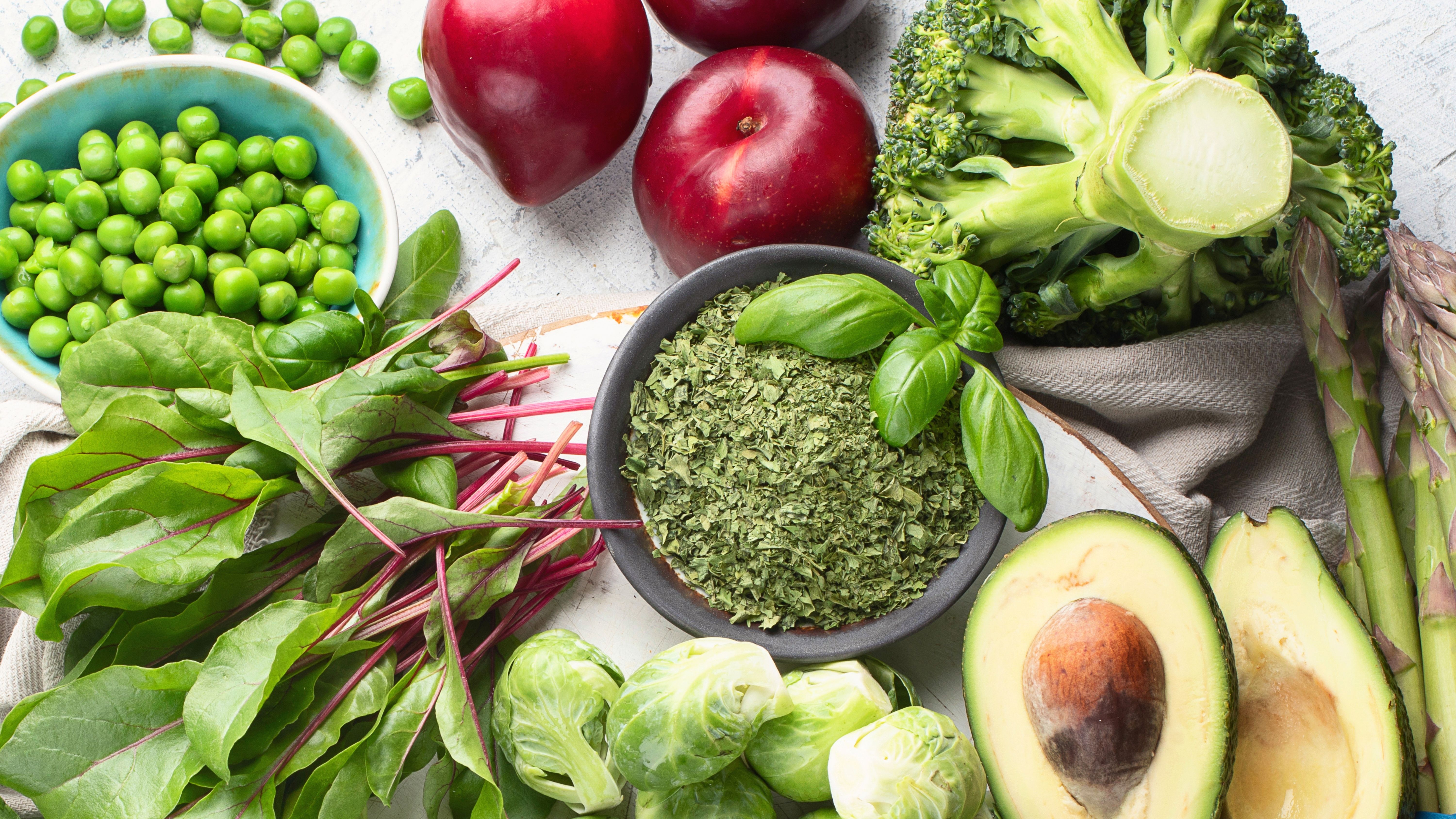
Why Your Diet and Cooking Can Shape How Well You Age
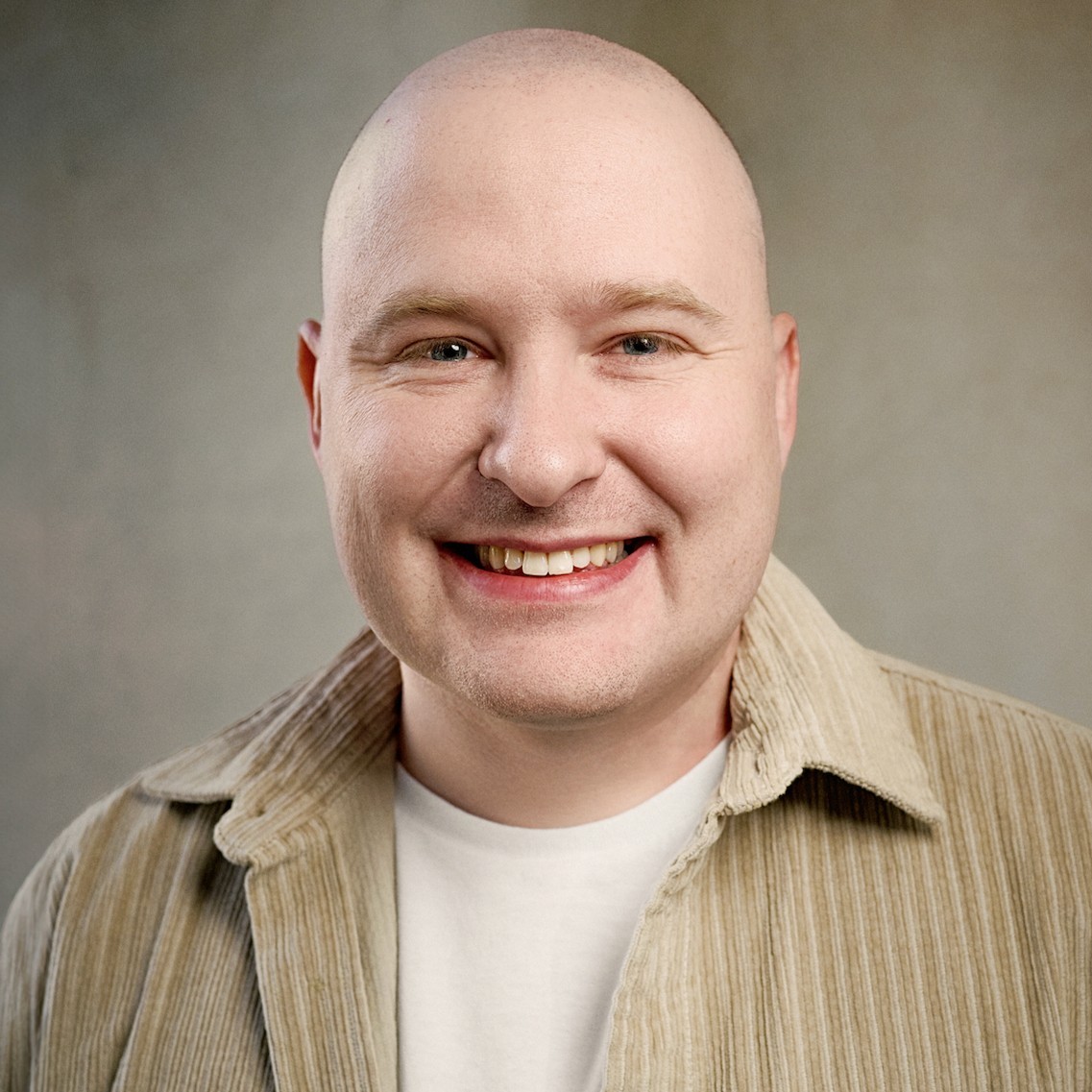 Alumnus Dr David Cox (Biotechnology, 2013) studied for his PhD in neuroscience at Robinson. As a specialist health and medical journalist, David writes for the BBC, NBC News, The Guardian, The Telegraph and WIRED. David’s first book, “The Age Code” (HarperCollins 2026) is the result of a two-year investigation into the relationship between what we eat and how we age.
You’re beginning to notice the signs of ageing – the wrinkles starting to appear with alarming regularity, the dull joint aches when you wake, and the sneaking sense that your cognition is not quite as sharp as it used to be.
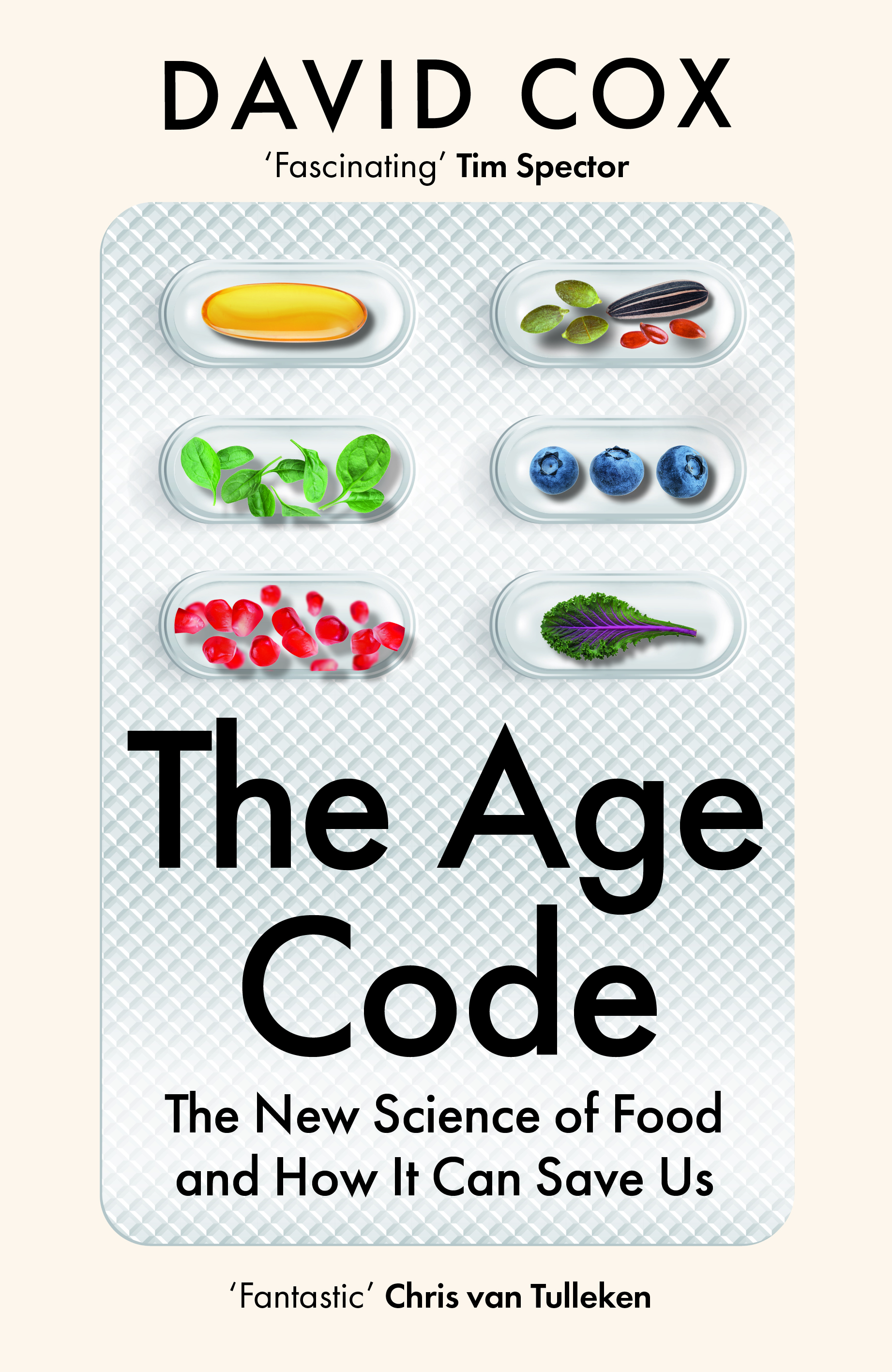 But had you considered that some of this is being fast-tracked by what and how you’re eating? That’s the focus of my new book, The Age Code, which tracks the emerging science connecting diet and ageing, and most importantly of all, what you can actually do about it.
Let’s begin with how we cook. Numerous aspects of the ageing process, whether that’s the fine lines which form in our skin or the loss of elasticity in heart muscle, can be accelerated by a class of toxins known as advanced glycation end products or AGEs. We accumulate them in our bodies throughout life, through a chemical reaction called glycation which takes place between proteins, fats and sugars.
While AGEs have long been known to form in our bloodstream following blood glucose spikes, emerging research is finding that they can also accumulate in our food, when cooked at high temperatures. Unfortunately, many of the cooking techniques we savour, whether that’s grilling, roasting or barbecuing, generate AGEs in large numbers. Our body can cope with a certain number of AGEs but if we’re ingesting too many, they can drive inflammation through activating a particular switch in the immune system called RAGE. Because they bind to and stiffen collagens, proteins which are particularly ubiquitous in our skin, joints and ligaments, AGEs can make us look and feel visibly older.
Yet there’s a way to limit their accumulation. As part of my research for the book, I travelled to the Basque Culinary Centre in northern Spain where scientists and chefs are collaborating to devise new ways in which we can adapt our cooking to limit AGE formation. It turns out that slow cooking, or first marinating meat and fish in mixtures of olive oil, herbs and spices before frying and roasting, can act as a natural barrier. Clinical trials are now exploring whether this form of culinary medicine can help slow the progression of different diseases.
At the same time, science is also revealing that faster ageing is not only linked to what we do eat, but what we’re not eating. While most nutritional information has traditionally focused on the macronutrients – fibre, carbohydrates, fat and protein – ageing scientists are increasingly discovering that it’s an inadequate intake of various key micronutrients which can take its toll over time.
Insufficient amounts of vitamin K, which we get through consuming leafy green vegetables, eggs and dairy products, can drive calcification of the arteries, making you markedly more at risk of premature heart disease, while B vitamin deficiencies can drive ageing across multiple organ systems from the gut to the brain.
A new realm of nutritional science is helping to unveil the importance of phytochemicals, nutrients produced by the immune systems of plants. Epidemiologists have long wondered why indigenous populations who consumed a large amount of unfermented cocoa seemed to be protective against hypertension, and we now know that this is due to the effects of a group of phytochemicals known as flavonoids. Consuming 400-600mg of flavonoids per day, something which you can also achieve through drinking teas (particularly green, oolong or chamomile tea), and various brightly coloured fruits and vegetables provides a biological kick to your blood vessels, prompting them to dilate and contract in a way which is ultimately beneficial for cardiovascular health.
There’s also astaxanthin, a potent red-orange phytochemical which is found in algae, salmon, shrimp and in particular high concentrations in seaweed. It came to the attention of ageing scientists studying groups of super-agers on the island of Hawaii, leading to the discovery that consuming sufficient astaxanthin on a regular basis can help ramp up the activity of a gene called FOXO3 which plays a major role in carrying out all kinds of repair activities throughout your body.
Finally, the timing of when you eat plays a major role in how well you age. So many of us concentrate our calorie intake in the wrong half of the day – we consume a large dinner and a small breakfast. Yet in reality, we should be doing the opposite as our metabolic enzymes are far more ready to burn through calories and use dietary protein to synthesise new muscle tissue in the morning. Changing the pattern of how we eat, even some of the time, could help you retain more muscle mass as you age and make it easier to manage a healthier weight.
Through the science of ageing we’re learning all sorts of simple tweaks we can make to our everyday routines which could make a significant difference to both the length and quality of our lives.
The Age Code is available from Amazon, Waterstones, and all major bookshops.