
Iza Kavedžija challenges assumptions about what it means to age well
What does it really mean to age well — and who gets to decide what “successful ageing” looks like?
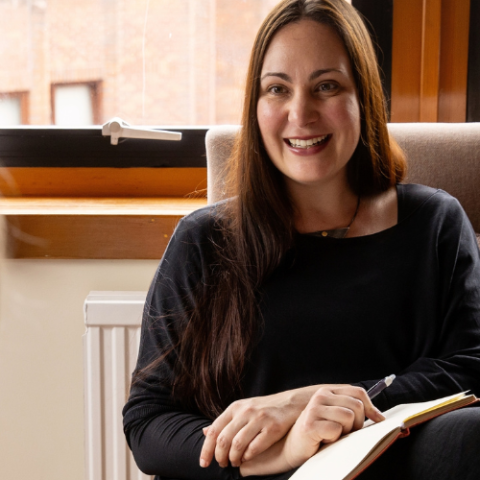
Dr Iza Kavedžija, Fellow in Social Anthropology at Robinson College and Associate Professor of Medical Anthropology, contributes to a thought-provoking new feature in CAM, the University of Cambridge’s alumni magazine.
The article explores the work of Cambridge’s Precarious Ageing research network, which brings together perspectives from anthropology and history to examine experiences of growing older across different cultures, communities and periods of time.
Drawing on her research in Japan, Dr Kavedžija questions Western assumptions that ageing successfully must mean remaining healthy, active and independent.
“What is considered to be successful in one place – for example, living independently – is not considered to be desirable in another,” she explains.
While ideals of independence and continued activity can offer a positive alternative to stereotypes of older people as frail or dependent, they may also exclude those who cannot—or do not wish to—live this way.
In some cultures, dependence upon family is not regarded as a failure. Instead, being cared for can be understood as something older people have earned through a lifetime of caring for others.
Dr Kavedžija’s research also highlights the importance of reciprocal care, social connection and storytelling. Among groups of older women in Osaka, everyday acts of mutual support helped create a strong sense of community and “well-deserved ease”. Sharing stories allowed people to connect their experiences and understand their lives as meaningful narratives.
Rather than placing responsibility entirely upon individuals to remain healthy and self-sufficient, Dr Kavedžija argues that society must consider the structures of care and support that allow people to continue finding purpose, meaning and connection throughout later life.
Featuring research from Japan, Peru and the UK, the article challenges the idea that there is one universal model for ageing well — and asks what a genuinely inclusive society of care might look like.
Read “On age” in CAM, the University of Cambridge’s alumni magazine.