
New study, led by Dr Steph Archer, to help shape future of cancer prevention
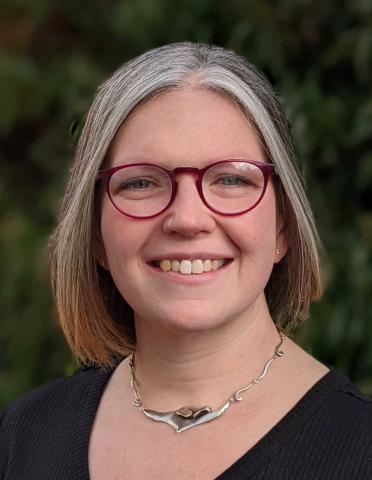
New study, led by Dr Stephanie Archer, to help shape future of cancer prevention
Press Release: Yorkshire Cancer Research 24 September 2026, World Cancer Day.
People in Yorkshire with an inherited risk of cancer will help shape a bold new approach to cancer prevention, thanks to funding from Yorkshire Cancer Research.
The charity has awarded £346,531 to a pioneering first-of-its-kind study exploring whether people with an inherited genetic risk of cancer would consider taking drugs called PARP inhibitors as a way of reducing their risk of developing cancer.
The PARP Inhibitors for Cancer Risk Reduction in Carriers (PARCC) study, led by Dr Stephanie Archer from the University of Cambridge, will involve more than 1,300 people from Yorkshire taking part in research to explore whether PARP inhibitors – already used to treat cancer - could become a new option for reducing cancer risk in those who carry particular inherited genetic variants.
Around 176,000 adults in England – including nearly 17,000 in Yorkshire - are estimated to carry inherited changes in genes called BRCA1, BRCA2 and PALB2, which increase the likelihood of developing cancers including breast, ovarian, prostate and pancreatic cancer.
Everyone has BRCA1 and BRCA2 genes, which help repair damaged DNA and prevent cells from growing or dividing in an uncontrolled way. Some people carry variants in these genes that can affect how well this repair process works. These variants can often be passed down through families. When this repair process does not work as effectively, damaged cells can grow and multiply, and over time they may develop into cancer.
For people living with an inherited genetic risk of cancer, options for reducing that risk can be limited and involve major surgery or hormone-blocking medicines, which may not be suitable for everyone. For those at higher genetic risk of pancreatic or prostate cancer, there are even fewer options available to reduce that risk. Instead, surveillance and monitoring are often recommended to support early detection, alongside lifestyle-measures such as avoiding alcohol and stopping smoking.
The PARCC study aims to understand how people with these inherited variants feel about taking PARP inhibitors as a new option to help reduce cancer risk and what benefits, risks and practical considerations would matter most to them when considering this type of treatment. The findings will be crucial in determining whether a clinical trial testing PARP inhibitors as a cancer prevention treatment could be developed in the future.
PARP inhibitors are already widely used to treat cancers linked to BRCA genetic changes and can improve survival and quality of life for people with cancer. The first PARP inhibitor, Lynparza, was developed with funding from Yorkshire Cancer Research and has since helped treat more than 140,000 people with cancer worldwide.
Researchers now want to understand whether PARP inhibitors could also have a role in preventing cancer from developing in the first place.
The potential role of PARP inhibitors to help prevent cancer has been informed by findings from the OlympiA trial, which suggested the drugs may reduce the risk of developing a new, separate cancer in people with breast cancer who carry a BRCA gene variant. These findings have led researchers to explore whether PARP inhibitors could one day help prevent cancer in people at higher genetic risk.
Before clinical trials exploring this approach can begin, researchers need to answer several important questions. Early laboratory research is needed to understand how PARP inhibitors work in healthy people and what doses might be suitable for prevention.
Researchers also need to understand whether people would be willing to take a PARP inhibitor to reduce their cancer risk, and what factors would influence that decision. Over the next two years, 5,500 people from across the UK, including a quarter from Yorkshire, will help answer those vital questions.
Drawing on their experiences of living with an inherited risk of cancer, they will help researchers and cancer experts understand what benefits they would want to see from PARP inhibitors, which side effects they would consider acceptable, and what information they would need before deciding whether to take part in future prevention trials.
Combined with laboratory research, their insights will lay the foundations for future clinical trials to test whether PARP inhibitors could one day be used safely and effectively to help prevent cancer.
Someone who is currently living with an inherited cancer risk is Beth Elias from Bradford, whose family history of cancer prompted her and her two sisters to undergo genetic testing to find out whether they carried an inherited gene variant linked to the disease. After taking the tests just before Christmas, the sisters agreed to wait until they were together before opening the letters containing their results.
Beth said: “We’d all gone through the process together, but when we opened the letters, both my sisters tested negative and I tested positive for the BRCA2 variant. It was a huge shock. Suddenly it felt like it was just me.”
Following assessments of her family history and lifestyle, Beth, who is 37 and a mum of two young children, was told she has a 60% chance of developing cancer in her lifetime, with the risk increasing after the age of 40.
She is now under the care of specialists in Bradford as she considers how best to manage her increased cancer risk. She will receive regular NHS screening and has explored a range of risk-reducing options, including hormone therapy and preventative surgery.
She said: “I’m pleased I’m able to have regular scans to monitor my health. It means if anything is detected, it can be picked up early. Of course, it also brings extra worry in the lead-up to the scan and while waiting for the results. I’m also much more proactive now about looking out for potential signs and symptoms of breast cancer. Knowing gives me control, and that’s the biggest positive to come out of this.”
After being prescribed a hormone therapy drug to help reduce her cancer risk, Beth experienced difficult side effects, including rashes and significant mood changes, so decided to stop taking it.
She said: “It’s a shame the hormone therapy drug I was taking wasn’t right for me. That’s why it’s so important cancer research continues to explore more personalised approaches to treatment, taking into account the experiences and needs of different people. Everyone is different, and a treatment that works well for one person may not work in the same way for someone else.”
Beth is now exploring whether to undergo preventative surgery, including a double mastectomy to reduce her risk of breast cancer and, in the future, a hysterectomy to reduce the risk of cancer developing in her ovaries.
She said: “I’m trying to address the biggest risk first, so right now I’m focusing on my options for reducing breast cancer risk through surgery. It’s positive there are different options available, but it also feels hugely overwhelming. Surgery is a massive decision. You're talking about weeks where you can't drive, can't work and can't pick up your children from school.
“Then there’s the physical impact on your body, the scarring and the loss of sensation in the breast area. You also have to come to terms with the emotional impact and the changes to how you feel about yourself and your confidence. It’s a hugely personal and complex decision, and not something to rush into.”
At the same time, Beth knows there could be even more difficult consequences if she chooses not to have surgery.
She continued: "If I developed cancer, I'd be facing treatment, being ill and my children having to experience that. I’m constantly weighing up both sides and trying to decide when the right time is to have surgery, knowing my cancer risk increases with age but not wanting it to affect my children while they’re still young. It’s a decision I think about every day.”
Beth has recently become an ambassador for the PARCC study because she believes this research provides a vital first step in giving people living with an inherited risk of cancer more choices in the future.
She said: “I’m hugely supportive of this study because it could be the first step towards creating new options for people like me. At the moment, there are limited drugs to reduce the risk of cancer, and each comes with significant physical and emotional considerations.
“What’s so valuable about this research is that it gives people with experience of inherited cancer risk the opportunity to help shape this huge piece of research from the very beginning.”
She concluded: “Using PARP inhibitors to prevent cancer is an exciting prospect. How incredible would it be for Yorkshire to play a key role in research that could go on to benefit people across the world? Carrying a BRCA gene variant can feel isolating, but this research gives me hope more options for cancer prevention could be available in the future.”
Dr Stephanie Archer, Associate Professor in the Department of Psychology at the University of Cambridge and lead investigator for the PARCC study, said: “As Beth’s experience shows, people who carry inherited gene changes often face complex decisions about how to manage their cancer risk throughout their lives. PARP inhibitors have already shown enormous benefits in treating cancers linked to these genetic changes, but we do not yet know whether they could have a role in prevention.
"This study will help us understand what matters most to people with inherited cancer risk, what benefits and risks they would consider acceptable, and what information they would need to make informed decisions about taking part in future research. Those insights will be crucial for designing any future prevention trials."
Dr Stewart Manning, a retired GP from Beeston, Leeds, is the Patient and Public Involvement and Engagement (PPIE) lead for the PARCC study, helping researchers ensure people with experience of inherited cancer risk are involved in shaping the research from the outset. He will play a key role in identifying and engaging people who may be eligible to take part in the study, with a particular focus on reaching diverse communities and those who have traditionally been underrepresented in research.
Dr Stewart Manning said: “Before new prevention approaches can be tested, it is vital we understand the views, priorities and concerns of the people they are designed to help. My role is to look at the study from the participant’s point of view and help make sure people are given clear information, have the chance to ask questions and feel confident about what taking part would involve.”
“It is not enough to simply invite people to join a study. We need to understand the barriers they may face, whether that is language, travel, time off work or trust in healthcare, and work with communities in a way that feels accessible and respectful. If we get that right, the research will be stronger, more inclusive and more likely to lead to prevention options that work for people in real life.
“The success of this study depends on reaching people from a wide range of backgrounds and experiences. If research only hears from a small number of voices, the findings may not reflect the needs of everyone. By helping more people take part, we can ensure any future prevention trials are shaped by the people they are ultimately designed to benefit.”
Yorkshire Cancer Research is funding the PARCC study as part of its commitment to exploring bold new research in cancer prevention. In September 2025, the charity and six other cancer charities called for urgent research into the promising approach of using PARP inhibitors as a future option for reducing cancer risk in people at high risk of hereditary cancer.
The charities also called for more investment in prevention research, which remains underfunded. In 2025, data from the National Institute for Health and Care Research showed just £22 million is currently being spent on cancer prevention compared to £195 million on cancer research as a whole. The PARCC study aims to help address regional health inequalities by targeting areas, including Yorkshire, which have been historically unrepresented in cancer research.
Yorkshire Cancer Research says addressing this gap is essential if the UK is to realise the ambitions set out in the Government’s National Cancer Plan, which aims to shift the NHS from a system that treats sickness to one that actively prevents it.
Yorkshire Cancer Research is funding £75m of pioneering research and innovative cancer services to help prevent, detect and treat cancer more effectively in Yorkshire. Thanks to supporters, the charity has been funding research and saving lives since 1925 – in Yorkshire and beyond.
Dr Stuart Griffiths, Director of Research, Policy and Impact at Yorkshire Cancer Research, said: “The charity is driving an exciting next step in cancer prevention research, thanks to advances in the understanding of genetics, cancer risk and personalised medicine. The PARCC study represents important progress and supports Yorkshire Cancer Research’s commitment to fund bold, innovative research that challenges how we think about cancer and puts people in Yorkshire at the heart of future discoveries.
“Yorkshire played a pivotal role in the development of the first PARP inhibitor, which has since transformed the lives of thousands of people around the world. Now, with significant involvement from people in Yorkshire living with an inherited risk of cancer, Yorkshire is once again helping lead the way. By reaching large numbers of people from Yorkshire, a region historically underrepresented in research, the PARCC study will help ensure future prevention trials are shaped by a broader range of experiences and perspectives. This will help researchers ensure that any future clinical trial can better reflect the needs of everyone, no matter who they are and where they live.”
Ends
About Yorkshire Cancer Research
• Yorkshire Cancer Research has been funding cancer research and saving lives for over 100 years.
• Since its foundation in 1925, the charity has united with researchers, cancer experts and people in Yorkshire to bring life-saving breakthroughs, discoveries and progress in cancer research to the region.
• Sadly, people in Yorkshire are more likely to have their lives cut short by cancer than almost anywhere else in England. As Yorkshire's cancer charity, Yorkshire Cancer Research is dedicated to changing this.
• Yorkshire Cancer Research works in partnership with researchers, clinicians, the NHS, public health bodies and other charities to pioneer new ways to prevent, diagnose and treat cancer in Yorkshire.
• For more information, please visit YorkshireCancerResearch.org.uk or, follow us on Facebook, LinkedIn, Instagram or Bluesky.
• For any media enquiries, please contact press@ycr.org.uk